
Everything you need to know about AI dropshipping
Starting a dropshipping store used to mean doing five jobs before lunch. You picked the products, built the site, wrote every product page, made the ads, and still answered “where’s my order?” emails at night.
AI dropshipping tools like Zendrop now help build the e-commerce store for you, run it from a chat window, and turn a product into a ready-to-post ad. You still make the decisions but can get a whole lot more done.
Here’s what AI dropshipping is, how to use it, and the tools that make it work.
Start your dropshipping store faster with AI
Zendrop helps you source products, launch your store, create AI-powered ads, and manage operations from one platform.
Get started with Zendrop AI
Key takeaways
- AI dropshipping is a dropshipping workflow that uses AI tools to help with product research, store creation, marketing, fulfillment, support, and analytics.
- AI can’t do it all for you. AI can automate tasks, but you still need to choose products, review quality, manage margins, follow policies, and make strategic decisions.
- The best tools depend on your bottleneck: product discovery, ad creative, store setup, order management, support, or analytics.
- Zendrop helps sellers find products, build stores, create AI video ads, automate fulfillment, and connect AI assistants to real store workflows.
What is AI dropshipping?
AI dropshipping means using artificial intelligence to simplify, speed up, or automate parts of a dropshipping business.
Dropshipping itself is an e-commerce modelwhere you sell products for your online store without holding inventory. When a customer places an order, your dropshipping supplier or fulfillment partner ships the product directly to the customer.
AI dropshipping adds another layer on top of that. Instead of manually handling every step, you use AI tools to help with things like:
- Finding winning dropshipping product ideas
- Writing product titles and descriptions
- Creating product images or ad creative
- Generating TikTok, Instagram Reels, or YouTube Shorts ad scripts
- Building customer support responses
- Reviewing store performance
- Checking order and fulfillment information
- Turning disorganized data into useful next steps
The important part: AI dropshipping is not a shortcut around building a real business. It is a faster way to handle the work that usually slows new sellers down.
AI chat vs. AI tools vs. AI agents
Not all AI does the same thing, and that trips up a lot of new sellers. They open ChatGPT, type “give me winning products,” get a generic list, and decide AI dropshipping is overhyped.

AI chat is for thinking out loud. It brainstorms, writes, summarizes, and plans. Say you’re testing a pet grooming brush. You can ask ChatGPT or Claude to “write 10 TikTok hooks for this product” and get usable angles in seconds. What it can’t do is see your store or your numbers. It only knows what you tell it.
AI tools finish one specific job inside your workflow. You point them at a task and they complete it: generate a product description, edit a supplier’s product photo, draft a launch email, or turn that grooming brush into a video ad. Each tool is built for a single output and is good at exactly that.
AI agents are the level most beginners haven’t tried yet. An agent connects to your real-time store data and acts on it. You can ask it to search products, check an order’s status, compare shipping options, pull last week’s sales, or start fulfillment once you confirm. It isn’t guessing. It’s working with what’s actually in your store.
Related article: The Best AI Agent for Dropshipping to Automate Your Store in 2026
What can AI do for a dropshipping business?
AI can help across almost every part of dropshipping, but some use cases are more valuable than others.
Here is how AI dropshipping works and how you can use it for your online store.
1. Find bestseller product ideas faster
Product research is one of the most important parts of dropshipping — and one of the easiest places to lose hours.
You can scroll TikTok, browse marketplaces, check competitor stores, look at product databases, watch ad libraries, and still feel unsure about what to test.
AI can help by speeding up the first pass. It can summarize product categories, compare niches, generate customer personas, and help you evaluate whether a product has a clear problem-solution angle.
A good AI-assisted product research process might look like this:
- Choose a broad niche, like pets, home fitness, beauty, or kitchen tools.
- Use a product discovery tool to find trending products.
- Ask AI to identify the likely customer, core pain point, and strongest marketing angle.
- Check whether the product is easy to explain in a short video.
- Review pricing, shipping, supplier reliability, and margin.
- Choose a small number of high-demand products to test.
That does not mean every trending product is automatically a winner. It means you have a better starting point than guessing from scratch.
AI prompt to try: I’m considering this product for a Shopify dropshipping store: [product name and description]. Give me five customer pain points, five ad hooks, three possible buyer personas, and three reasons this product might be hard to sell.
2. Build your store without starting from a blank page
A blank Shopify or Wix theme can be intimidating.
You need a homepage, product pages, navigation, images, copy, policies, branding, and a basic conversion flow before you can even start testing. For new sellers, that setup can become the reason they never launch.
Before you can test your first product, you need a homepage, product pages, navigation, images, copy, policies, branding, and a basic conversion flow. For new sellers, that setup stage can become the reason they never launch.
AI store builders help you skip the blank-page phase.
AI prompt to try: Rewrite this product description for a Shopify dropshipping store. Make it clear, benefit-focused, and trustworthy. Avoid hype. Include a short description, three bullet benefits, one “how it works” section, and five FAQs.
3. Write better product pages
Product pages do a lot of work.
They need to explain what the product is, why it matters, who it is for, how it works, what comes in the package, and why someone should trust your store.
AI can help you turn basic supplier information into clearer product page copy.
For example, instead of using a generic description like:
This portable blender is powerful, convenient, and easy to use.
AI can help you write something more specific:
Make smoothies, protein shakes, and iced drinks wherever your day takes you. This portable blender is compact enough for your bag, simple to rinse after use, and designed for quick blending at home, at work, or after the gym.
Much better.
AI is especially helpful for:
- Product titles
- Benefit bullets
- Size and usage explanations
- FAQ sections
- Meta titles and descriptions
- Comparison sections
- Email and SMS copy
- Ad landing page copy
The one thing AI should not do is invent claims. Always review copy for accuracy, especially around health, safety, shipping times, materials, product performance, and guarantees.
AI prompt to try: Turn these product features into customer benefits. Keep the tone simple, specific, and trustworthy. Do not exaggerate. Product features: [paste features].
4. Create more ad variations
Ad creative is one of the biggest bottlenecks for e-commerce stores.
You might have a good product, but if your first ad does not explain it clearly or grab attention quickly, it may never get a fair test.
AI can help you create more ad angles before spending money on traffic.
For example, you can use AI to generate:
- Social media hooks
- UGC-style scripts
- Voiceover scripts
- Product demo outlines
- Problem-solution angles
- Before-and-after concepts
- Founder-style ad copy
- Customer testimonial-style scripts
- Instagram Reels captions
- YouTube Shorts ideas
A simple creative testing and optimization plan could look like this:
| Test | What changes | What stays the same |
|---|---|---|
| Hook test | First 3 seconds of the video | Product, offer, landing page |
| Angle test | Pain point or use case | Product, format, audience |
| Avatar test | Person presenting the product | Script, product, offer |
| Script test | Voiceover and CTA | Product, audience, landing page |
| Platform test | TikTok vs. Reels vs. Shorts | Creative concept and product |
The goal is not to make one “perfect” ad. It is to create enough good variations to learn what your audience responds to.
AI prompt to try: Create 10 UGC-style video ad hooks for this product. Each hook should be under 8 words, easy to understand, and focused on a specific customer problem. Product: [paste product details].
5. Improve customer satisfaction
Customer support is not usually the first thing people think about when they hear “AI dropshipping,” but it matters a lot.
A customer who cannot find their tracking number, understand your shipping policy, or get a quick answer about returns is less likely to trust your store.
AI can help by drafting support responses, summarizing tickets, and answering common questions. It can also help you build a better support library before questions come in.
Common AI-assisted support workflows include:
- Drafting shipping updates
- Explaining return policies
- Answering product usage questions
- Creating FAQ pages
- Summarizing customer complaints
- Identifying recurring issues
- Escalating refund or damaged-item requests
Just be careful with full automation. AI should not make final decisions on refunds, replacements, or sensitive customer issues unless you have very clear rules in place.
A helpful approach is to let AI draft the response, then have a human review anything involving money, complaints, or exceptions.
AI prompt to try: Write a polite customer support response to a customer asking where their order is. Ask for their order number, explain that tracking updates can take time to appear, and reassure them that we’ll check the status.
6. Automate fulfillment checks and order management
It is one thing to build a store and launch ads. It is another thing to make sure orders are processed correctly, customers receive tracking updates, and shipping issues are handled quickly.
AI is much more useful when it can work with live store information.
Instead of asking:
What should I do if my orders are delayed?
You can ask something closer to:
Show me orders from the last seven days that have not received tracking yet.
Or:
Which products have the highest order count and the most refund requests this month?
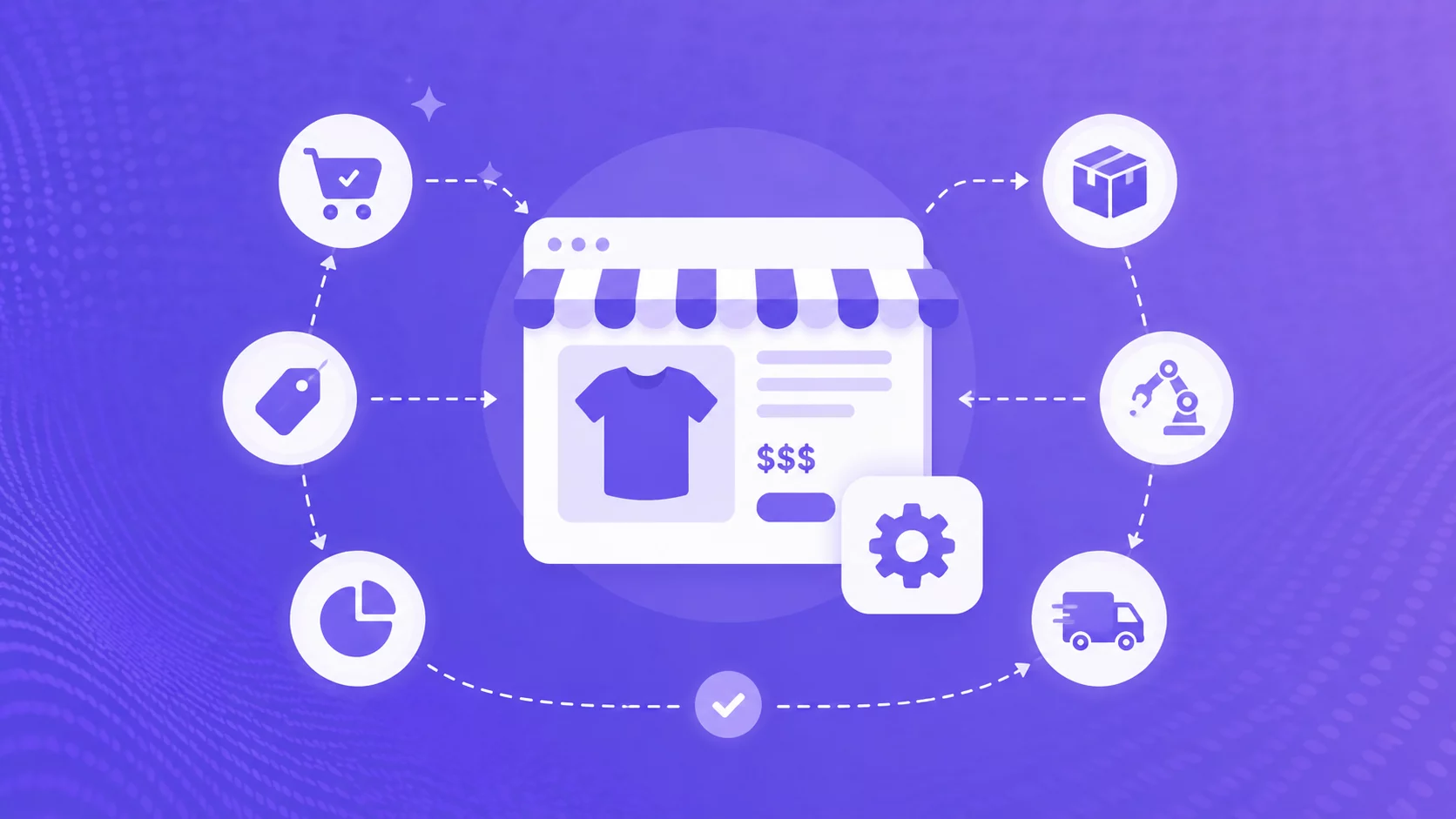
This is where AI dropshipping starts moving from “help me write copy” to “help me run the operation.”
7. Turn store data into next steps
Analytics can be overwhelming, especially when you are testing multiple products, ads, audiences, and landing pages.
AI can help summarize what is happening and suggest what to look at next.
For example, you can use AI to analyze:
- Which products are getting orders
- Which products have low margins
- Which ads have the best click-through rate
- Which landing pages have poor conversion rates
- Which products are driving refunds or complaints
- Which countries or regions are performing best
- Which customer questions keep coming up
The important thing is to avoid blindly following AI recommendations. AI can surface patterns, but you still need to verify the data and decide what to do.
A good AI analytics workflow might be:
- Pull store data.
- Ask AI to summarize what changed.
- Ask AI to identify possible causes.
- Check the data yourself.
- Choose one or two actions.
- Test, measure, and repeat.
AI prompt to try: Summarize this store performance data. Identify the top three opportunities, the top three risks, and the next five actions I should consider. Do not make conclusions unless the data supports them. Data: [paste data].
Top AI dropshipping tools by use case
There is no single “best AI-powered dropshipping tool” for everyone. A beginner launching their first Shopify store needs something different from a seller already processing hundreds of orders per month.
The better question is: What job do you need the tool to do?
- Best all-in-one AI dropshipping platform: Zendrop
- Best for product discovery: Zendrop’s Trending Products feature
- Best for store setup: Zendrop AI-Built Stores
- Best for store setup: Storebuild.ai
- Best for AI video ads: Zendrop AI Ad Generator
- Best for AI-assisted store operations: Zendrop MCP
- Best for copy and brainstorming: ChatGPT, Claude, or Gemini
- Best for product visuals: ChatGPT Images
- Best for design mock-ups: Figma Make
- Best for design mock-ups: Claude Design
- Best for customer support: Gorgias
- Best for all-in-one customer support: Tidio
- Best for larger customer support teams: Zendesk AI
1. Best all-in-one AI dropshipping platform: Zendrop
Zendrop is designed for dropshippers who want to move faster without stitching together too many disconnected tools. Many AI tools help with one small part of dropshipping. Zendrop is more useful as an operating layer because the AI features are connected to actual dropshipping tasks.
Inside the Zendrop ecosystem, sellers can use tools for product discovery, Shopify store setup, fulfillment, and AI-powered creative workflows. Zendrop also supports AI-assisted store operations through its MCP Server, which lets AI assistants interact with store workflows using natural language commands.
What it helps with:
- Finding unique products
- Importing products to your store
- Building an AI-assisted store foundation
- Creating AI video ads
- Managing fulfillment workflows
- Connecting AI assistants to store operations
2. Best for product discovery: Zendrop‘s Trending Products feature
Zendrop’s in-app trending products feature is built for this part of the workflow. Using proprietary data and tools to discover trending products, it helps sellers find updated lists of trending dropshipping products that sellers can import products directly to their store in a few clicks.
This is especially useful because product research is one of those tasks that can feel productive while becoming procrastination.

You do not need 500 product ideas. You need a short list of products with:
- A clear use case
- A specific target customer
- Strong perceived value
- Reasonable shipping considerations
- Enough margin to support paid marketing
- A simple story you can tell in high-converting ads
Strategy tip: Use AI to evaluate products after you find them. Ask it to identify the buyer, pain point, objections, ad angles, and possible risks before you import the product.
3. Best for store setup: Zendrop AI-Built Stores
Starting from scratch is hard. You have to choose a niche, pick products, install a theme, write copy, build pages, and make the store look trustworthy.
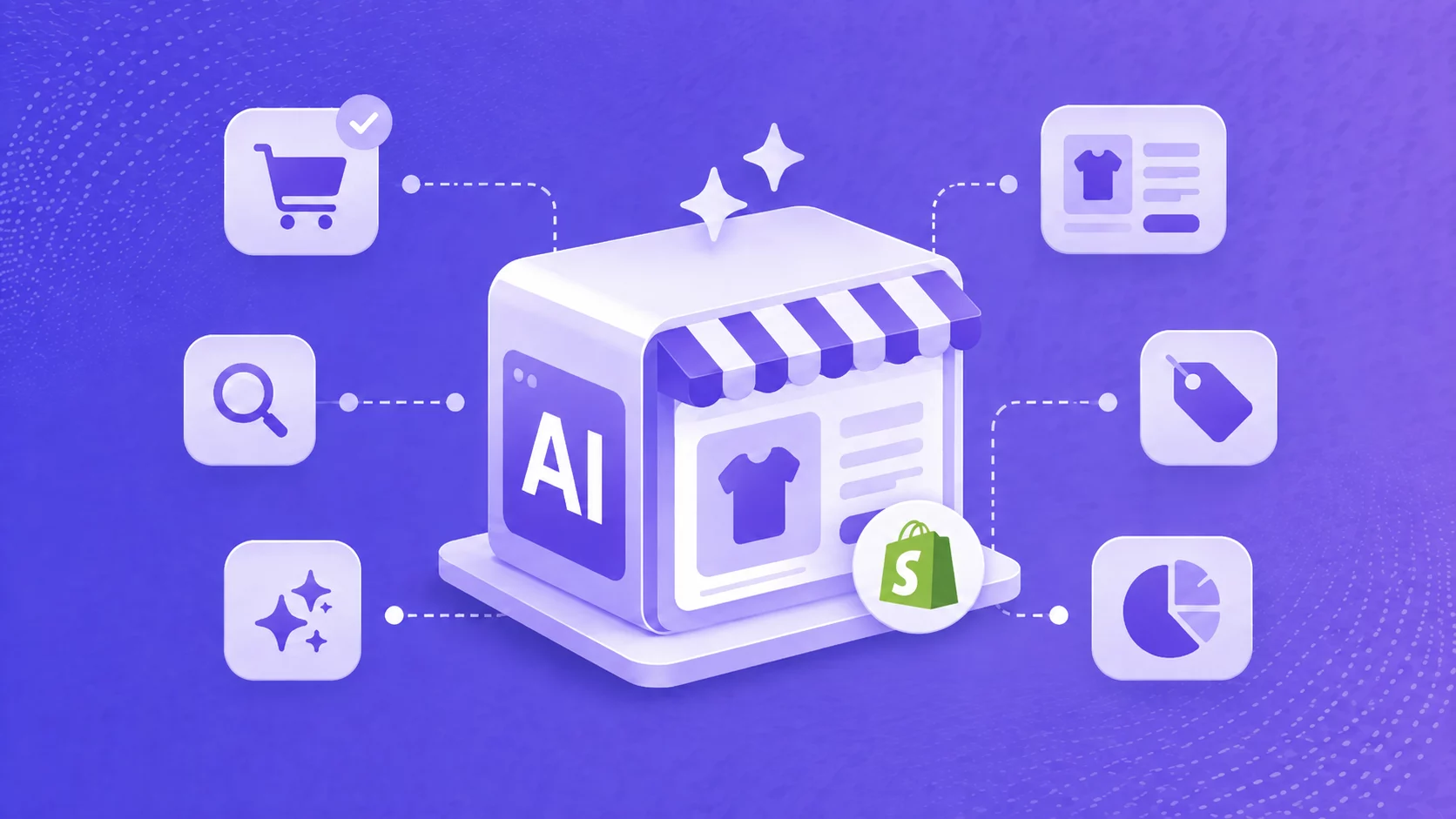
Zendrop’s AI Store Builder helps sellers launch faster with a store that includes a premium theme and winning products. Zendrop’s AI and pre-built stores can include 20 handpicked products selected by product discovery specialists.

This can be a helpful starting point, especially if your biggest challenge is store setup.
Still, you should customize the store before driving traffic. Update the copy, review every product, check your policies, make sure the brand feels cohesive, and remove anything that does not fit your niche.
Strategy tip: Do not judge your store by whether it feels “done.” Judge it by whether it is clear enough to test. You can improve design, branding, and copy as you learn what customers respond to.
4. Best for store setup: Storebuild.ai (Runner-up)
Starting from scratch is hard. You have to choose a niche, pick products, install a theme, write copy, build pages, and make the store look trustworthy before you can even start testing.
Storebuild.ai is designed to make that first step easier. Instead of opening a blank Shopify theme and figuring everything out manually, Storebuild.ai helps create a ready-to-use Shopify store foundation with AI-assisted layouts, product pages, copy, and mobile-responsive sections.

It is especially useful for new dropshippers who want to move from “I have an idea” to “I have a store I can customize and test” as quickly as possible. Storebuild.ai says users can choose a niche and get a store built with 10 proven products and 10 viral videos, giving beginners a more complete starting point than a basic theme alone.
5. Best for AI video ads: Zendrop AI Ad Generator
Video ads outperform everything else on TikTok, Reels, Facebook Ads and Shorts, but actually making a video for every product you want to test for your e-commerce store? You need enough variations to test hooks, angles, scripts, offers, and formats. And if you’re a solo entrepreneur or small e-commerce store, you don’t have the $5,000 to drop on a single UGC ad creative.
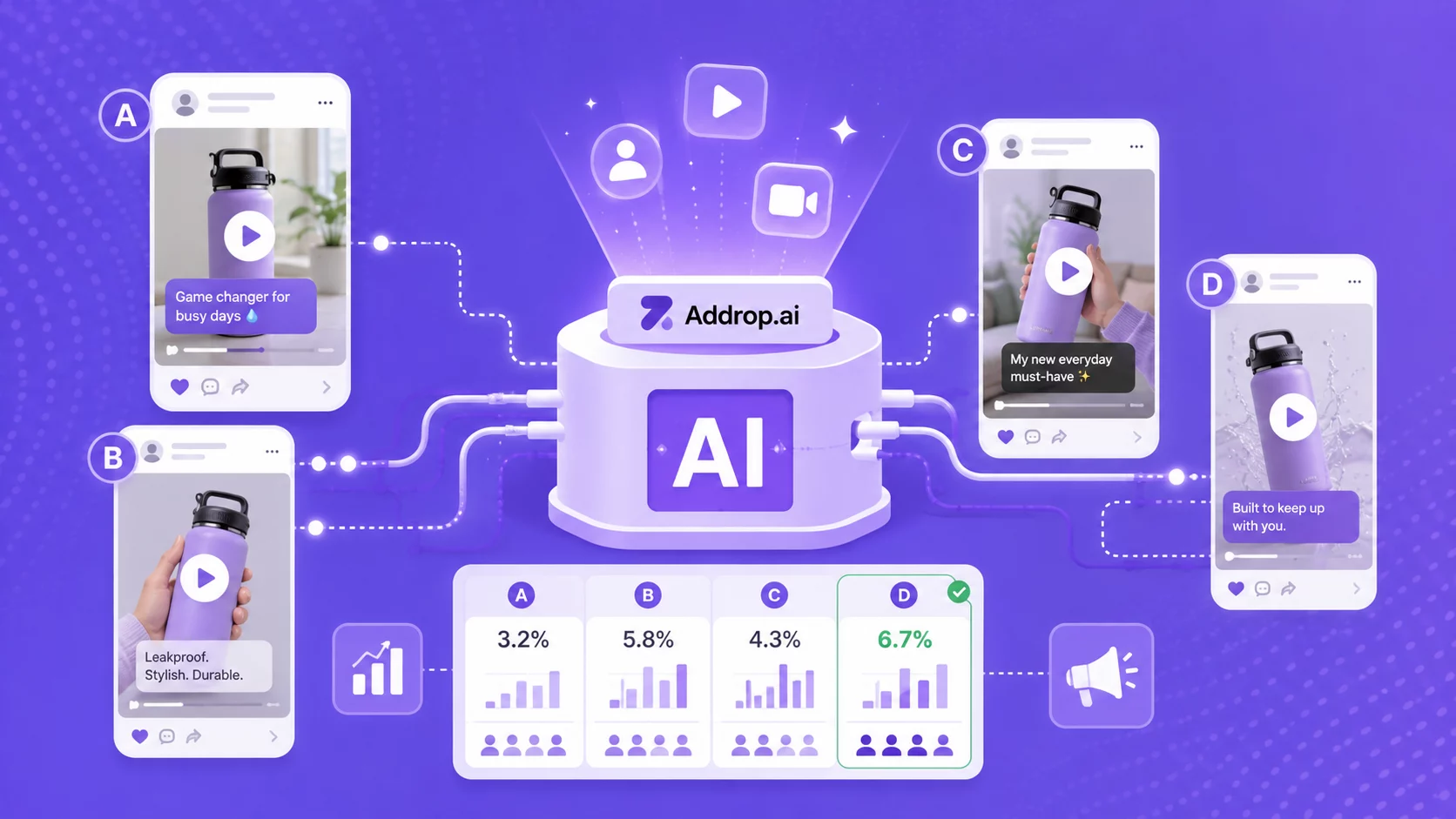
Zendrop’s AI Ad Generator turns Zendrop products into UGC-style video ads for TikTok, Instagram Reels, and YouTube Shorts. You choose a product, select an AI avatar, pick or edit a script, and generate a video ad.

Strategy tip: Test one variable at a time when possible. If every ad has a different hook, script, product angle, avatar, and offer, it is harder to know what actually worked.
6. Best for AI-assisted store operations: Zendrop MCP
MCP Servers or “AI agents” are one of the more advanced areas of AI dropshipping. A normal AI chatbot can give advice. A connected AI assistant can work with store data.
For example, instead of logging into multiple dashboards, you could ask:
Zendrop’s MCP Server lets AI assistants interact with Zendrop store workflows using natural language. Connected assistants can help with tasks like searching products, checking shipping options, looking up order status, pulling analytics, triggering fulfillment, and updating shipping addresses based on permissions.
- “Show me my imported products.”
- “Which orders still need tracking?”
- “What are my top products by order count this month?”
- “Which products have the highest refund rate?”
- “Find similar products to this item in the catalog.”
- “Check shipping options for this product.”
It’s as easy as typing it in a box:
Strategy tip: Be thoughtful with permissions. AI agents are most useful when they can access the right information, but you should still control what they can read, change, or trigger.
To use Zendrop MCP with your AI agent of choice, read our step-by-step how-to article on how to install it.
7. Best for copy and brainstorming: ChatGPT, Claude, or Gemini
General AI chat tools like ChatGPT, Claude, or Gemini are flexible and easy to start with. They are not dropshipping platforms, but they are useful for turning rough ideas into usable drafts.
You can use them to create:
- Product descriptions
- Ad hooks
- UGC scripts
- FAQ sections
- Email flows
- Brand positioning
- Customer personas
- Competitor research summaries
- Landing page outlines
The main limitation is that these tools do not automatically know your products, margins, shipping details, or policies unless you provide that information.
Bad prompt:
Write an ad for this product.
Better prompt:
Write five TikTok ad hooks for a $29.99 portable pet hair remover. The customer is a dog owner who struggles with fur on couches and car seats. Keep each hook under eight words and avoid exaggerated claims.
Strategy tip: Better inputs create better outputs. Give AI the product details, target customer, price, brand voice, offer, and platform before asking for copy.
8. Best for product visuals: ChatGPT Images
Product visuals can make or break a dropshipping store. Customers cannot touch the product, try it on, or see it in person. Your images have to do that work for them. They need to show what the product is, how it fits into someone’s life, why it is useful, and why the store feels trustworthy enough to buy from.
With ChatGPT Images, instead of waiting on a designer, hunting for stock photos, or trying to build every graphic from scratch, you can prompt ChatGPT to create lifestyle scenes, ad concepts, product image backgrounds, thumbnail ideas, social graphics, and visual directions for your brand.

For dropshippers, you can test more angles, create more polished assets, and explore different ways to position the same product before spending heavily on ads or custom creative.
For example, you could use ChatGPT Images to create:
- A lifestyle scene showing a product in a realistic home, gym, desk, bathroom, kitchen, or travel setting
- Multiple ad thumbnail concepts for TikTok, Reels, Shorts, or Meta ads
- Product page visuals that explain how the product works
- Background variations that match your brand colors and style
- Social post graphics for organic content
- Before-and-after concept images
- Seasonal campaign visuals
- Visual mood boards for a new niche or product line
9. Best for design mock-ups: Figma Make
Figma Make is useful when you want to take those ideas further into layouts and prototypes. For example, you can use it to quickly mock up landing page sections, product page blocks, mobile-first ad landing pages, or interactive design concepts.
It is especially helpful when you want to see how a visual idea might look inside an e-commerce webpage or campaign flow.
10. Best for design mock-ups: Claude Design
Claude Design is another strong option for polished creative work. It can help turn rough ideas into more structured design assets like one-pagers, campaign concepts, visual layouts, prototypes, and presentation-style creative directions. That makes it useful for organizing a bigger campaign idea, not just creating one-off images.
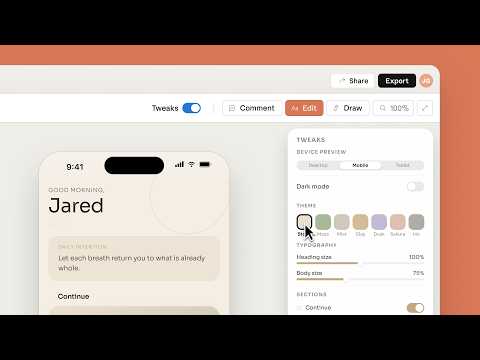
Strategy tip: Use ChatGPT Images as your creative testing engine. Generate several visual angles for the same product, then use Figma Make and Claude Design to turn the best ideas into product page sections, campaign concepts, and ad-ready creative systems. The goal is not just prettier images — it is faster learning.
11. Best for customer support: Gorgias
Customer support is one of the most underrated places to use AI in a dropshipping business.
A customer who cannot find their tracking number, understand your shipping policy, or get a quick answer about returns is less likely to trust your store. And if you are handling every repetitive question manually, support can quickly eat into the time you should be spending on product testing, creative, and growth.
Gorgias is one of the strongest options for e-commerce brands because it is built around online store support, not just generic ticketing. It can help with pre-purchase questions, post-purchase support, chat, FAQ workflows, and AI-powered customer conversations.

12. Best for all-in-one customer support: Tidio
Tidio is a good option for smaller Shopify stores that want live chat, chatbots, AI support, and help desk features in one place. Its Lyro AI Agent can be trained on your verified support content, which makes it useful for answering questions about policies, shipping, returns, and product details.

13. Best for larger customer support teams: Zendesk AI
Zendesk AI and Fin.ai are stronger fits for larger teams or more complex support operations. They offer more advanced AI agents, copilots, automation, reporting, and omnichannel support, but they may be more than a beginner store needs.

Strategy tip: Use customer support data as marketing research. Common questions often reveal the exact objections you need to answer on your product pages and ads.
What AI cannot do for your dropshipping business
AI saves time, but some things still need a human in the loop.
- AI cannot guarantee a winning product. AI can help you build a smarter shortlist. Customers decide demand — not algorithms. Test with real traffic before you commit.
- AI cannot fix a bad fulfillment experience. Know your shipping times, product quality, packaging, and return process before you scale. A good ad cannot save a slow or unreliable order.
- AI cannot invent truthful claims. AI can write convincing copy that is not accurate. Always verify anything related to health benefits, performance, materials, safety, shipping times, or guarantees before it goes live. Inaccurate claims lead to complaints, refunds, and chargebacks.
- AI cannot build trust on its own. Trust comes from the full experience — honest policies, accurate tracking, reliable fulfillment, and good support. AI can help you create the pieces. You still have to make sure they work together.
AI dropshipping prompts you can copy
Here are a few prompts to make AI more useful in your dropshipping workflow.
Product research prompt
Act as an e-commerce product researcher. Evaluate this dropshipping product: [product]. Score it from 1 to 10 on problem-solution fit, visual appeal, perceived value, shipping risk, ad potential, and competition risk. Then give me three ad angles and three reasons not to sell it.
Act as an e-commerce product researcher. Evaluate this dropshipping product: [product]. Score it from 1 to 10 on problem-solution fit, visual appeal, perceived value, shipping risk, ad potential, and competition risk. Then give me three ad angles and three reasons not to sell it.
Product description prompt
Rewrite this product description for a Shopify dropshipping store. Keep it clear, specific, and trustworthy. Include a short intro, five benefit bullets, a “how it works” section, and five FAQs. Do not exaggerate or invent claims. Product details: [paste details].
TikTok ad hook prompt
Create 20 TikTok ad hooks for this product. Each hook should be under eight words. Use a mix of curiosity, problem-solution, direct benefit, and “things I wish I knew” angles. Product: [paste product].
UGC video script prompt
Write a 30-second UGC-style video ad script for this product. Include a strong first-three-second hook, a quick product demo, one customer pain point, three benefits, and a clear call to action. Keep the tone natural and not overly salesy.
Customer support prompt
Draft a friendly customer support reply for this situation: [describe issue]. Keep it calm, helpful, and clear. Include next steps and avoid making promises we cannot guarantee.
Analytics prompt
Analyze this store performance data. Identify the three most important takeaways, the biggest risk, and the next three tests I should run. Do not overstate conclusions. Data: [paste data].
Frequently asked questions about AI dropshipping
How do you dropship with AI?
Use AI across the parts of dropshipping that eat up the most time. That means researching products, writing product descriptions and ad copy, building your store, and generating video ads for TikTok or Reels.
What are the best AI-powered tools for dropshipping?
It depends on what you need, but a few worth knowing: storebuild.ai for spinning up a free Shopify store fast. Zendrop for an AI-built store with products, suppliers, and fulfillment already synced. Zendrop’s AI Ad Generator for creating UGC-style video ads without hiring a creator. And ChatGPT for product research, writing copy, handling customer service templates, and anything else that needs a fast draft.
Is automated AI dropshipping profitable?
It can be, but automation does not replace strategy. AI and automation tools reduce the time you spend on setup, fulfillment, and content — which lowers your overhead. What still determines profit margins are your product selection, your ad spend, your supplier’s reliability, and how well your store converts. Sellers who use automation to move faster and test more products tend to find winning products sooner. The ones who treat it as a hands-off business usually hit a wall.